Maison de Jean Prouvé

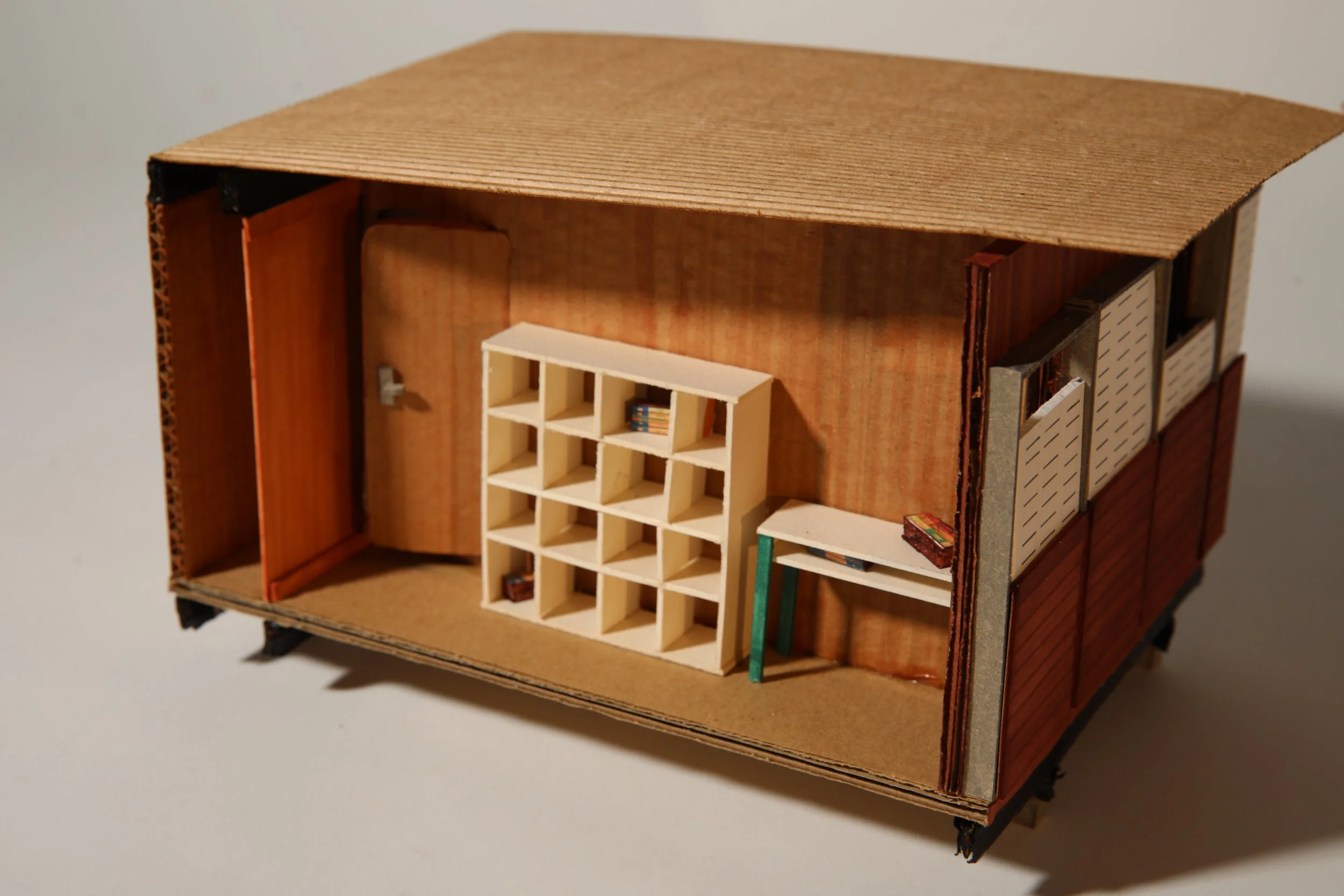
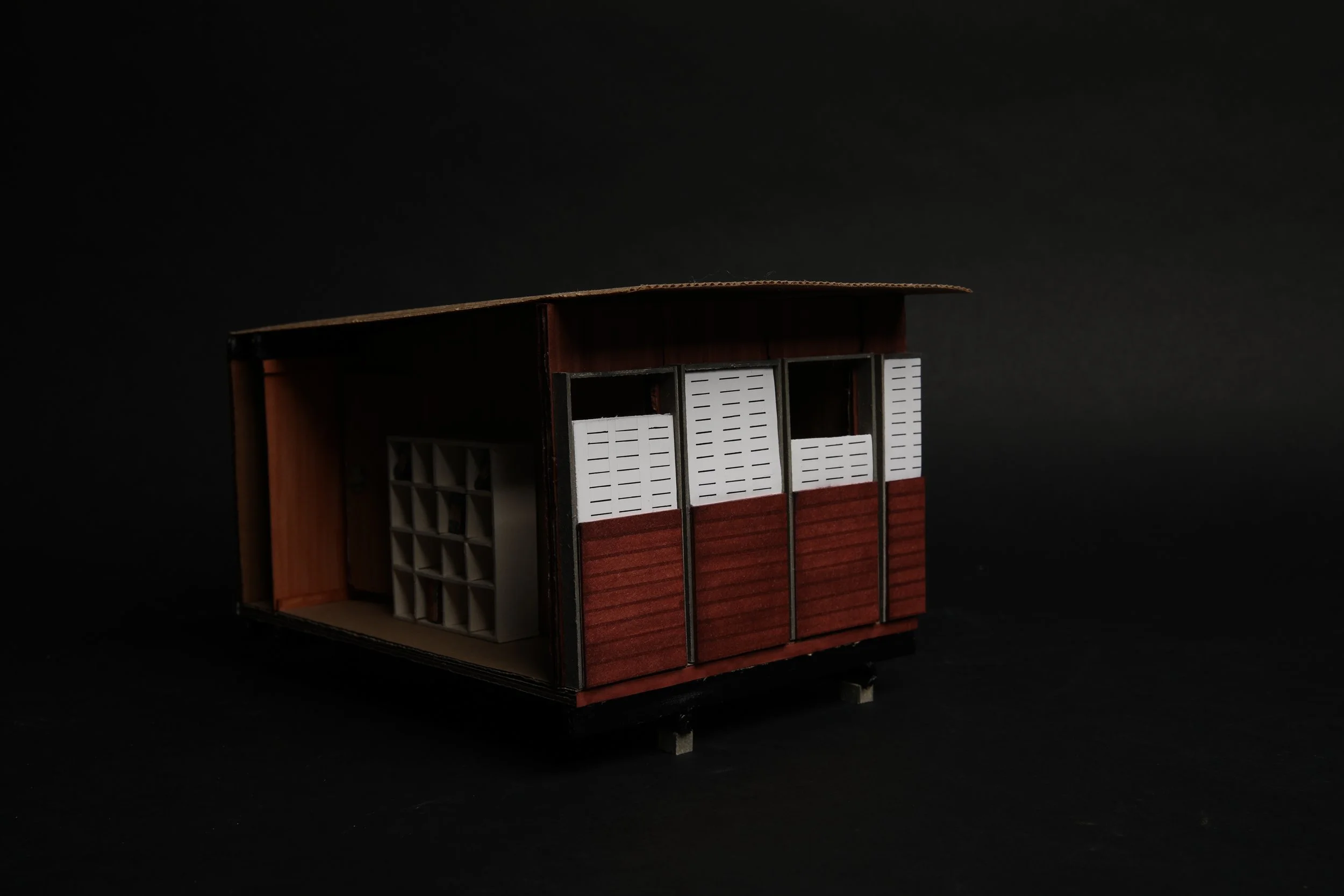
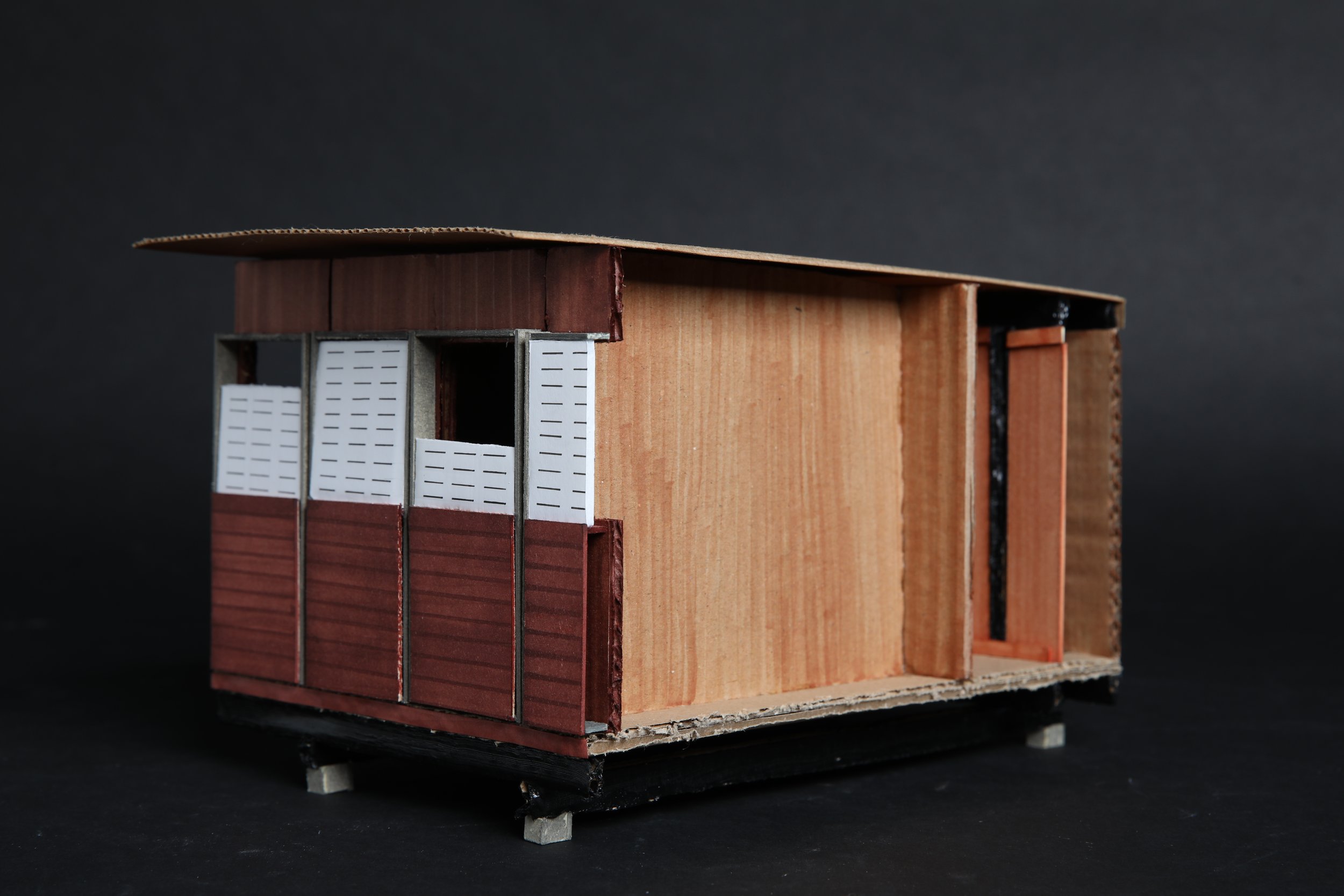
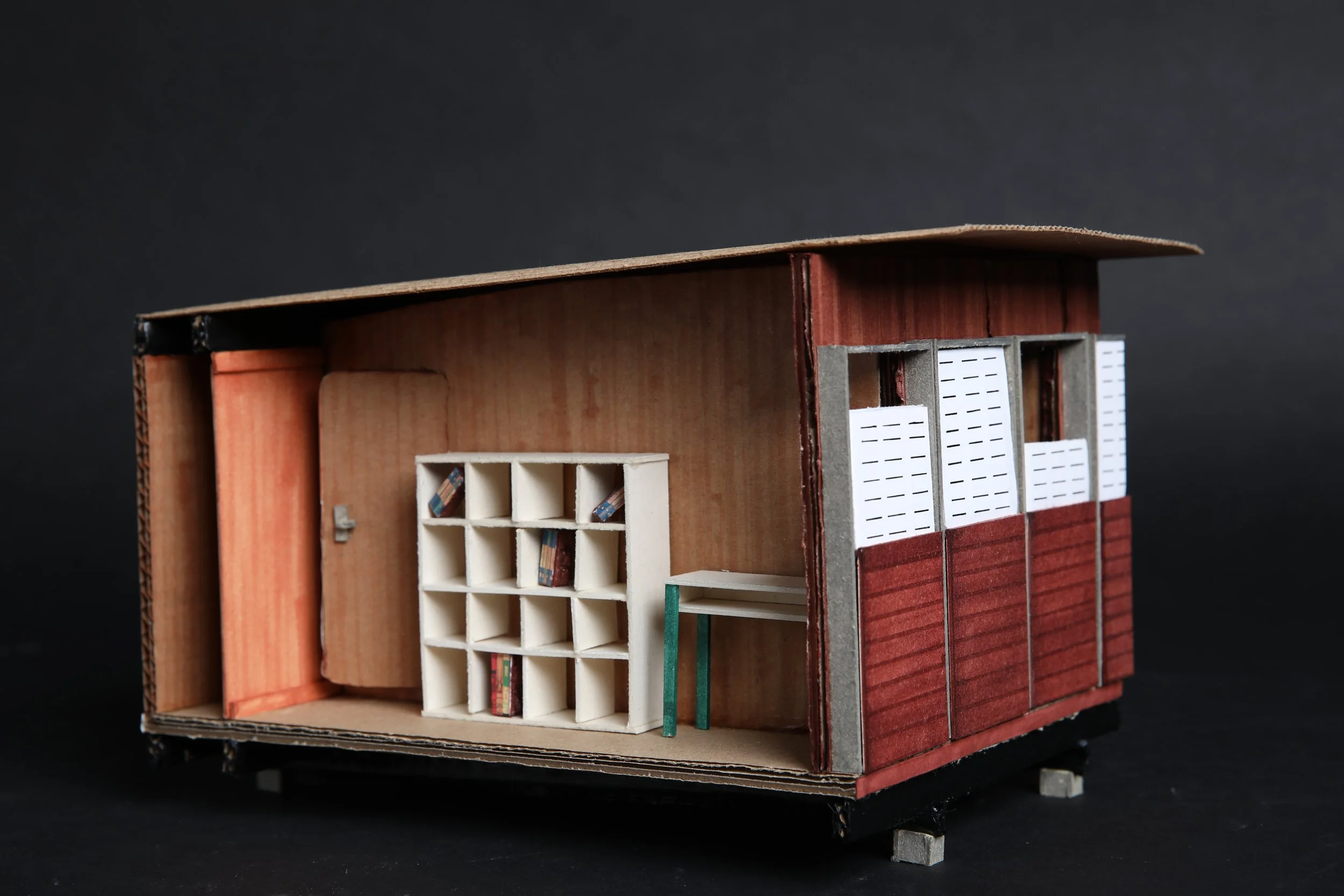
This project explores the Maison de Jean Prouvé (1954, Nancy) through the construction of a detailed collective scale model. The exercise focused on understanding Prouvé’s architectural language, structural logic, and use of industrialized systems by translating his principles into a physical, modular model. Through research, hand drawings, technical documentation, and manual fabrication, the project investigates how architecture, industry, and interior space merge into a coherent and efficient design system.
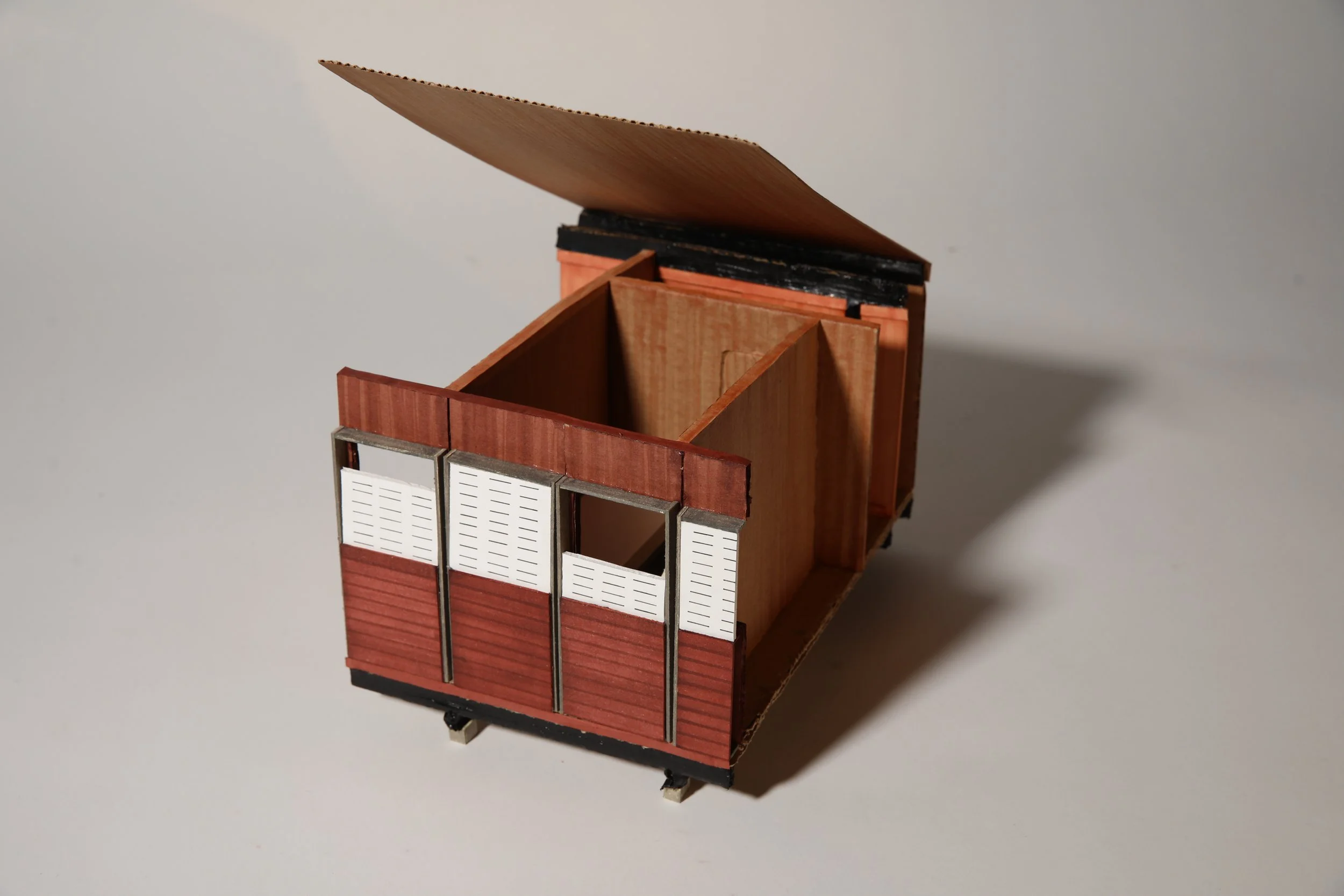
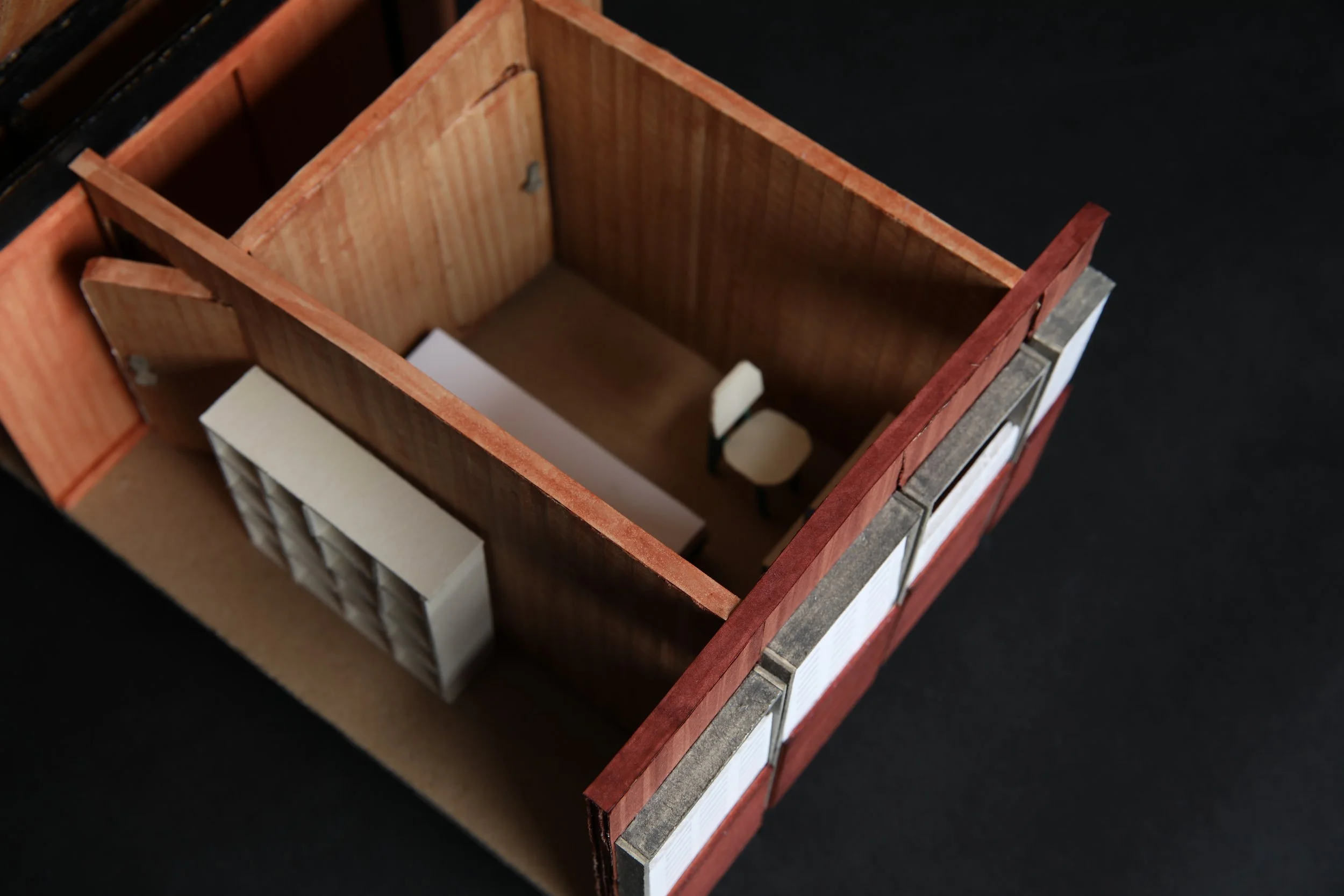
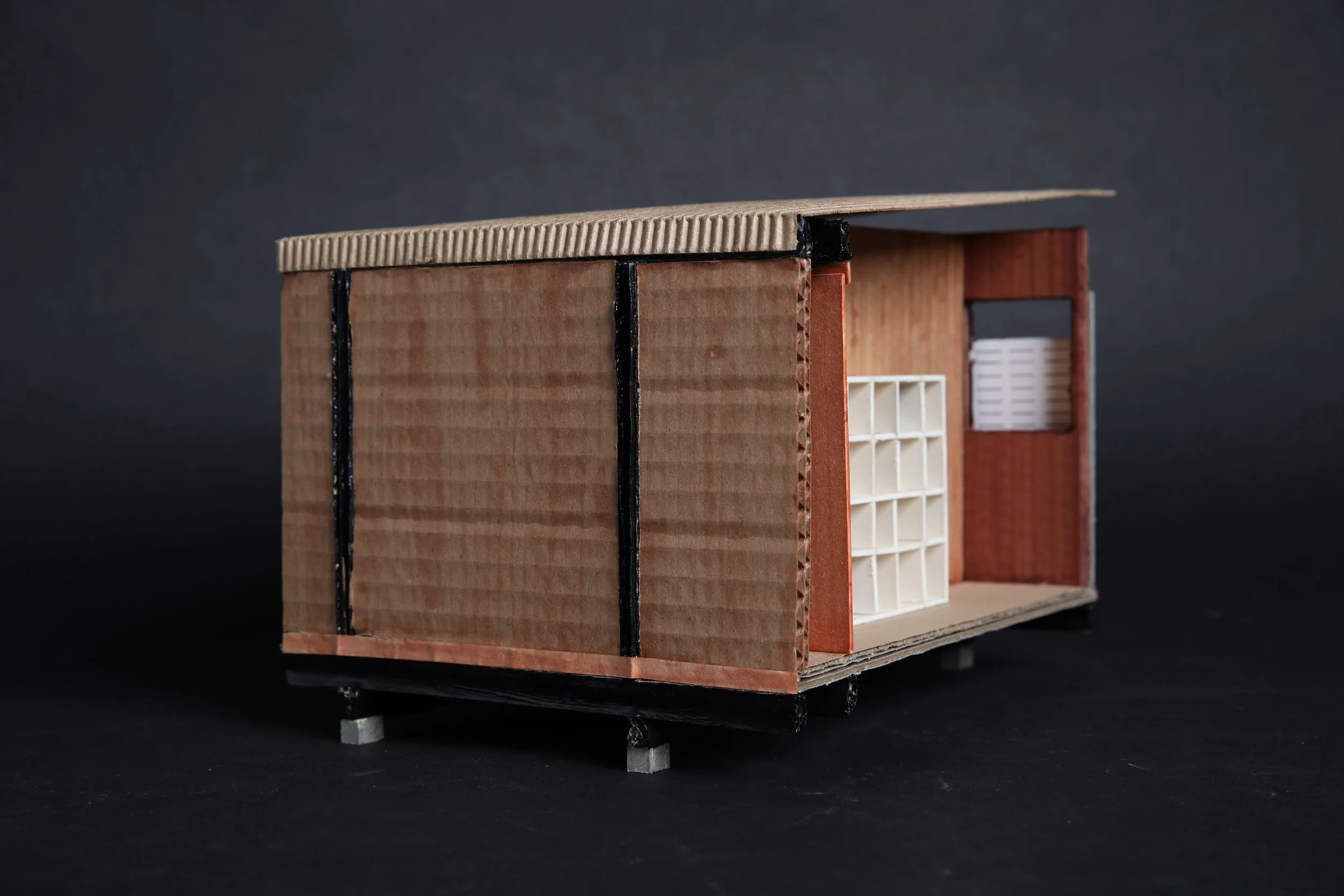
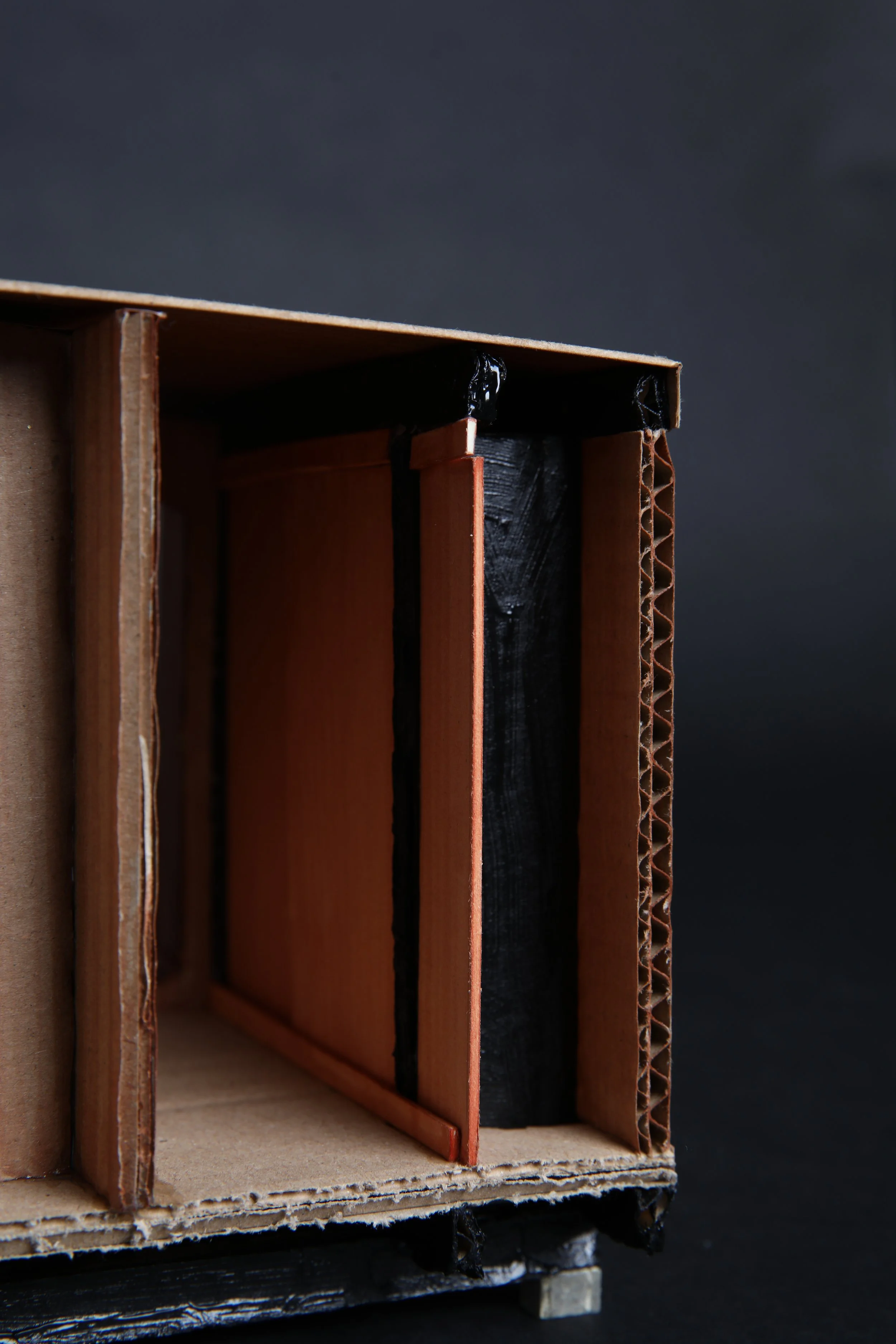
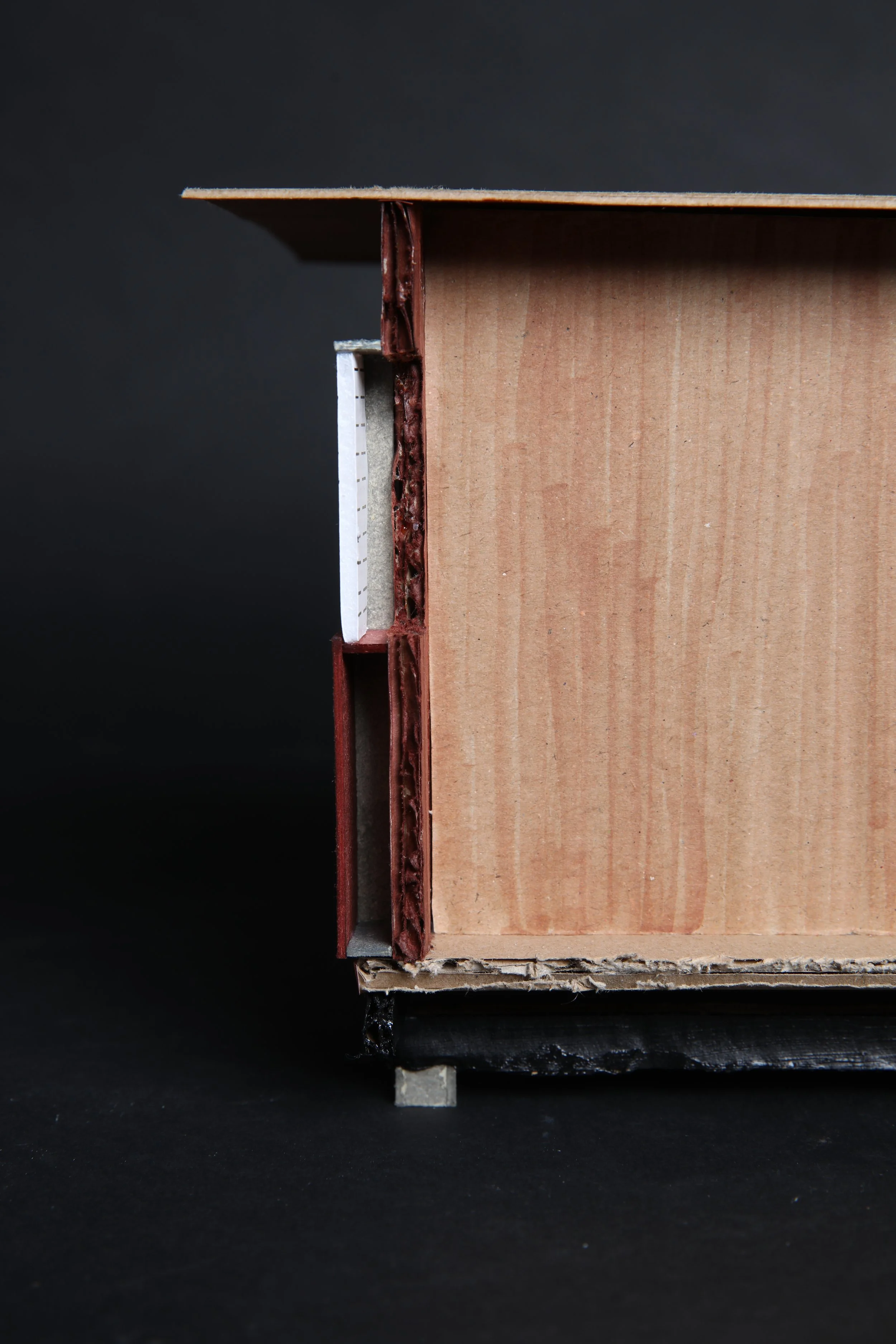
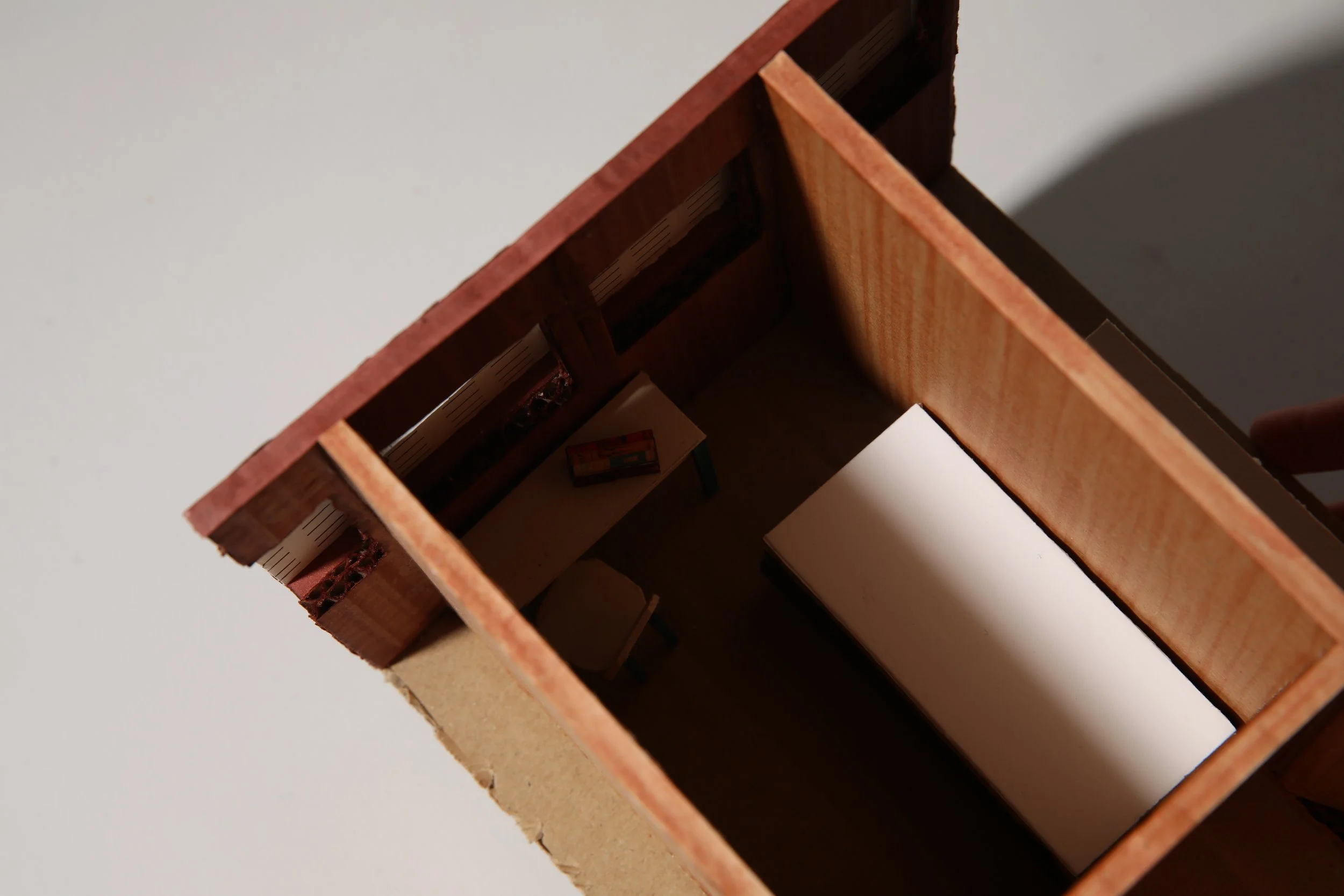
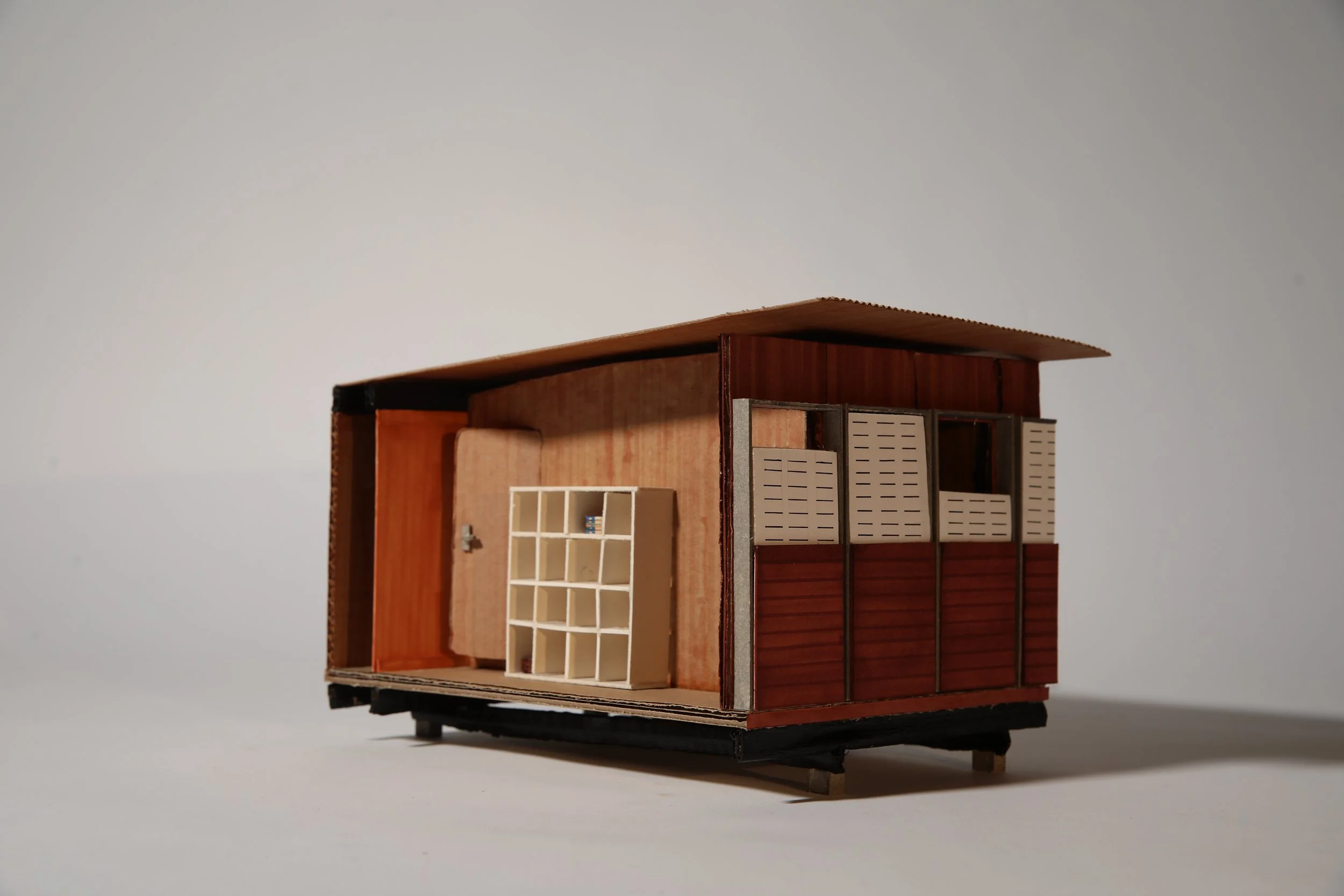
Collective Model
Industrial Logic as Design Language
The project is rooted in Jean Prouvé’s belief that architecture should emerge from industrial processes. Prefabrication, modularity, and material honesty guided both the analysis and the making of the model, reflecting Prouvé’s approach to efficiency, affordability, and structural clarity.
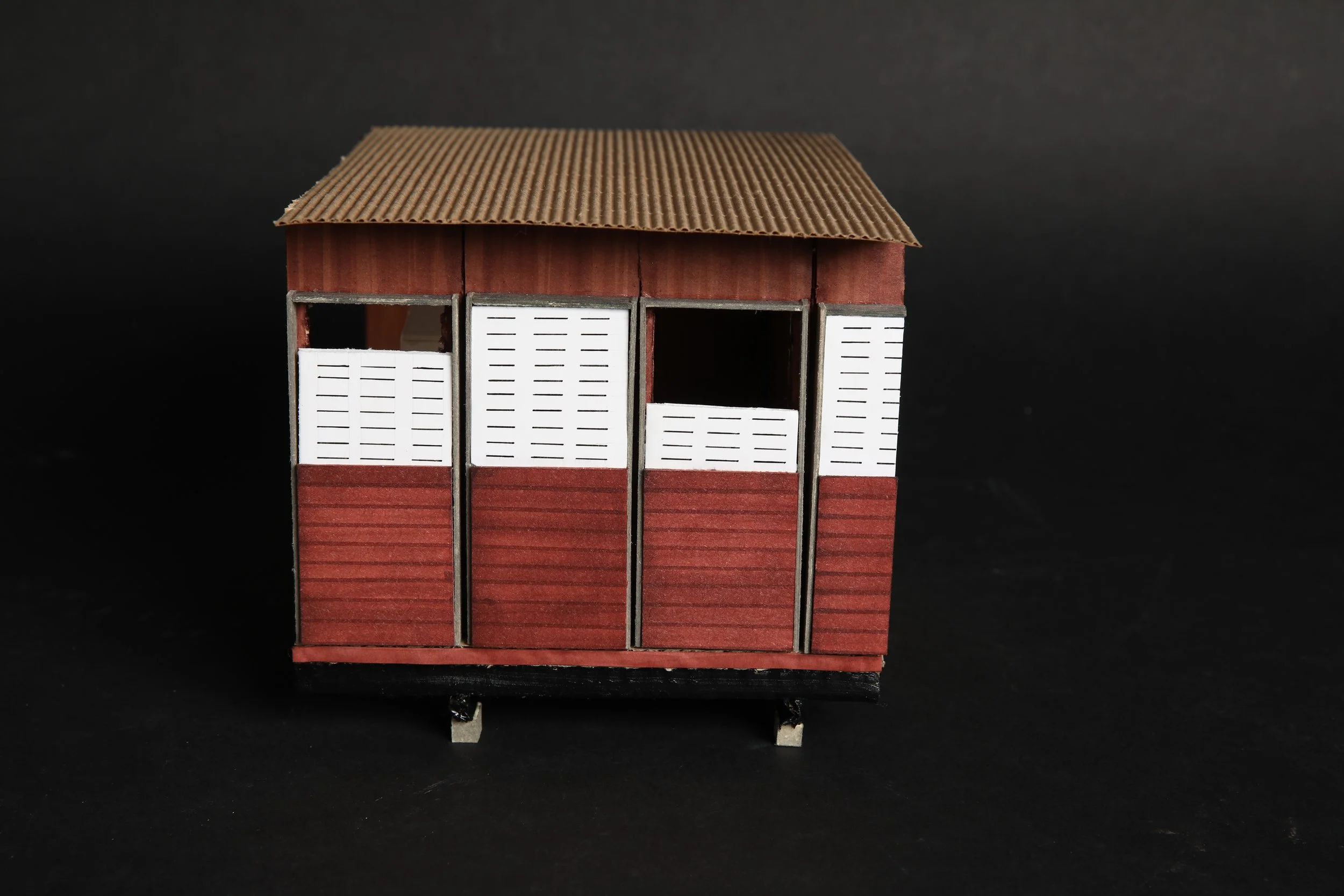
Modularity and Spatial Organization
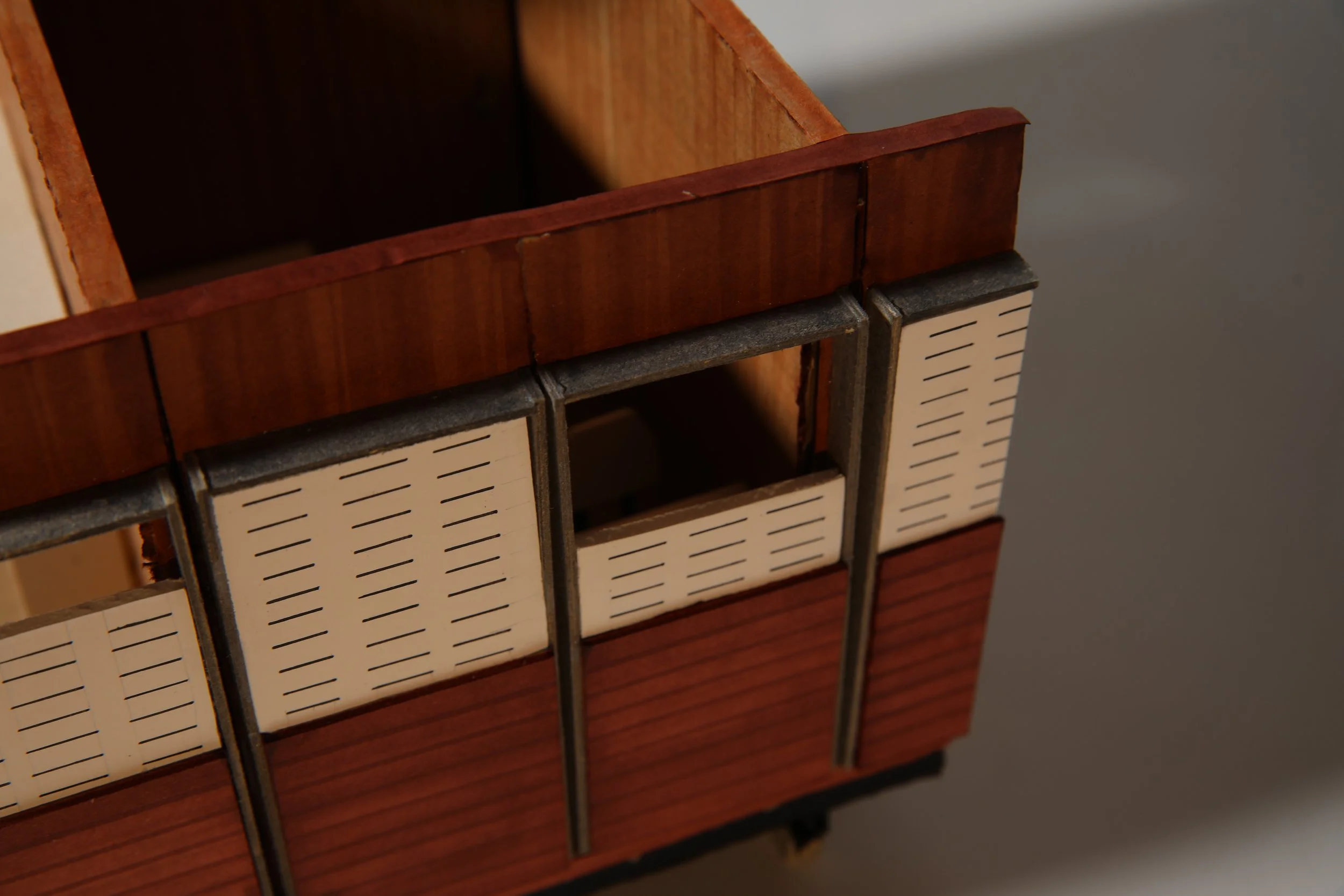
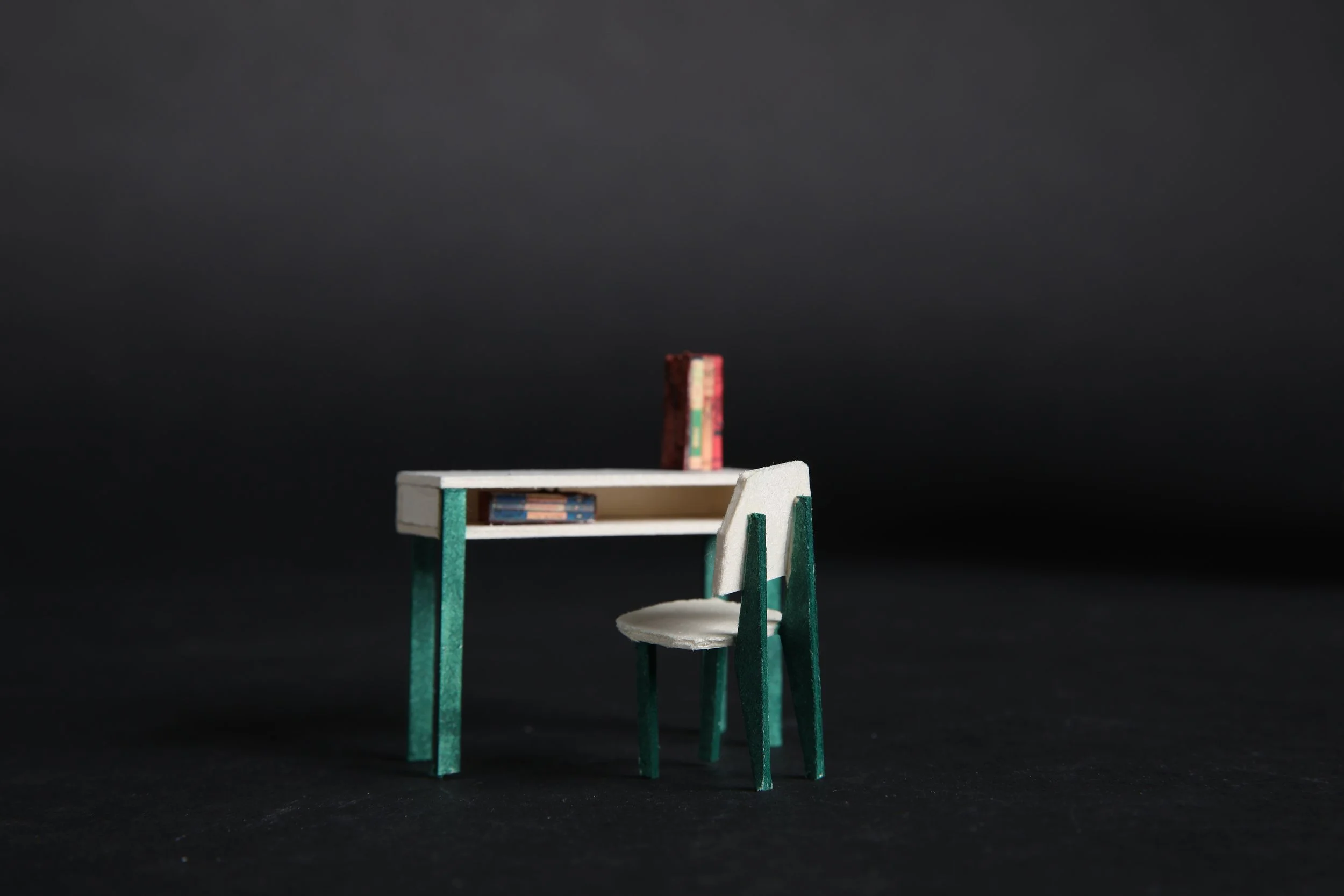
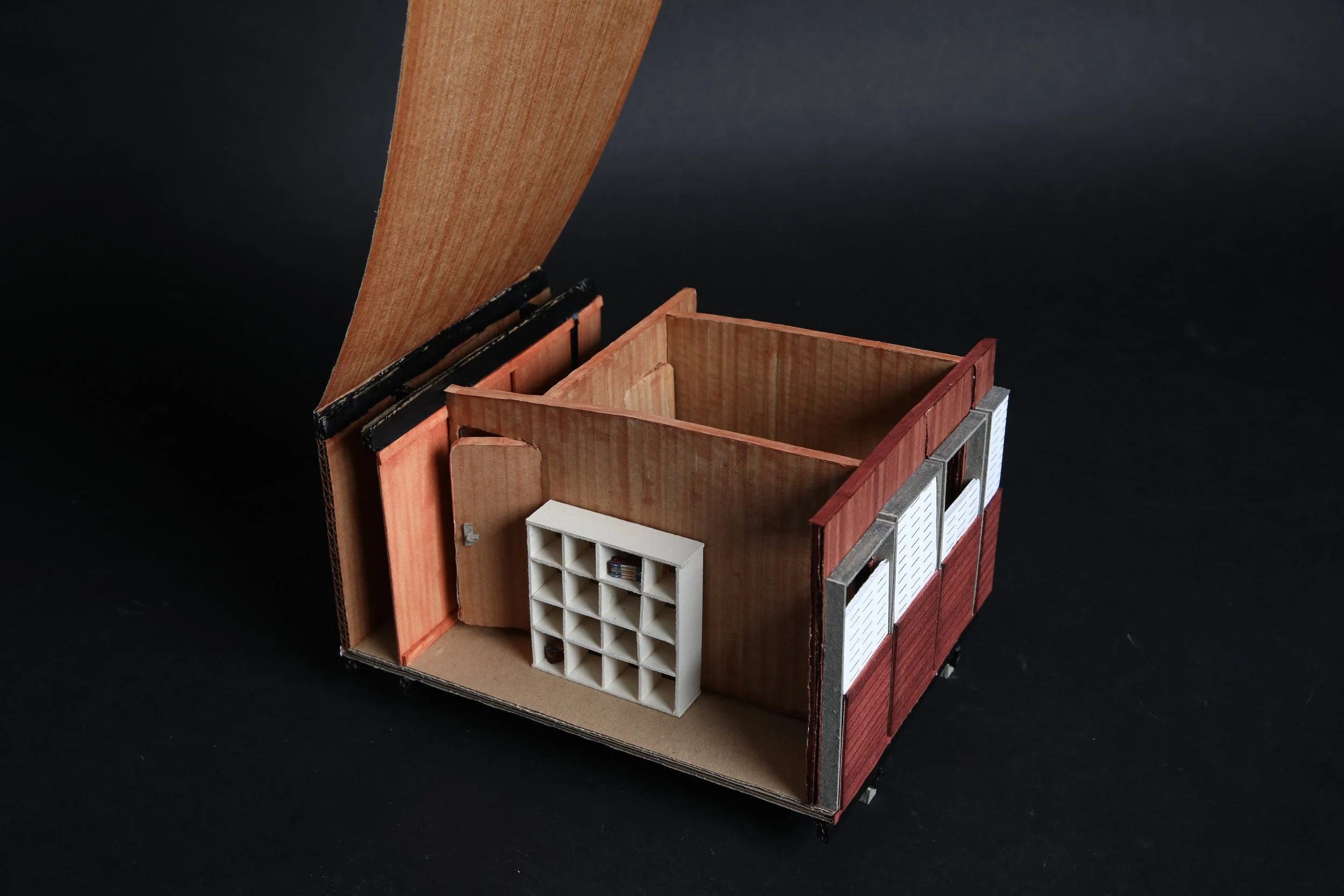
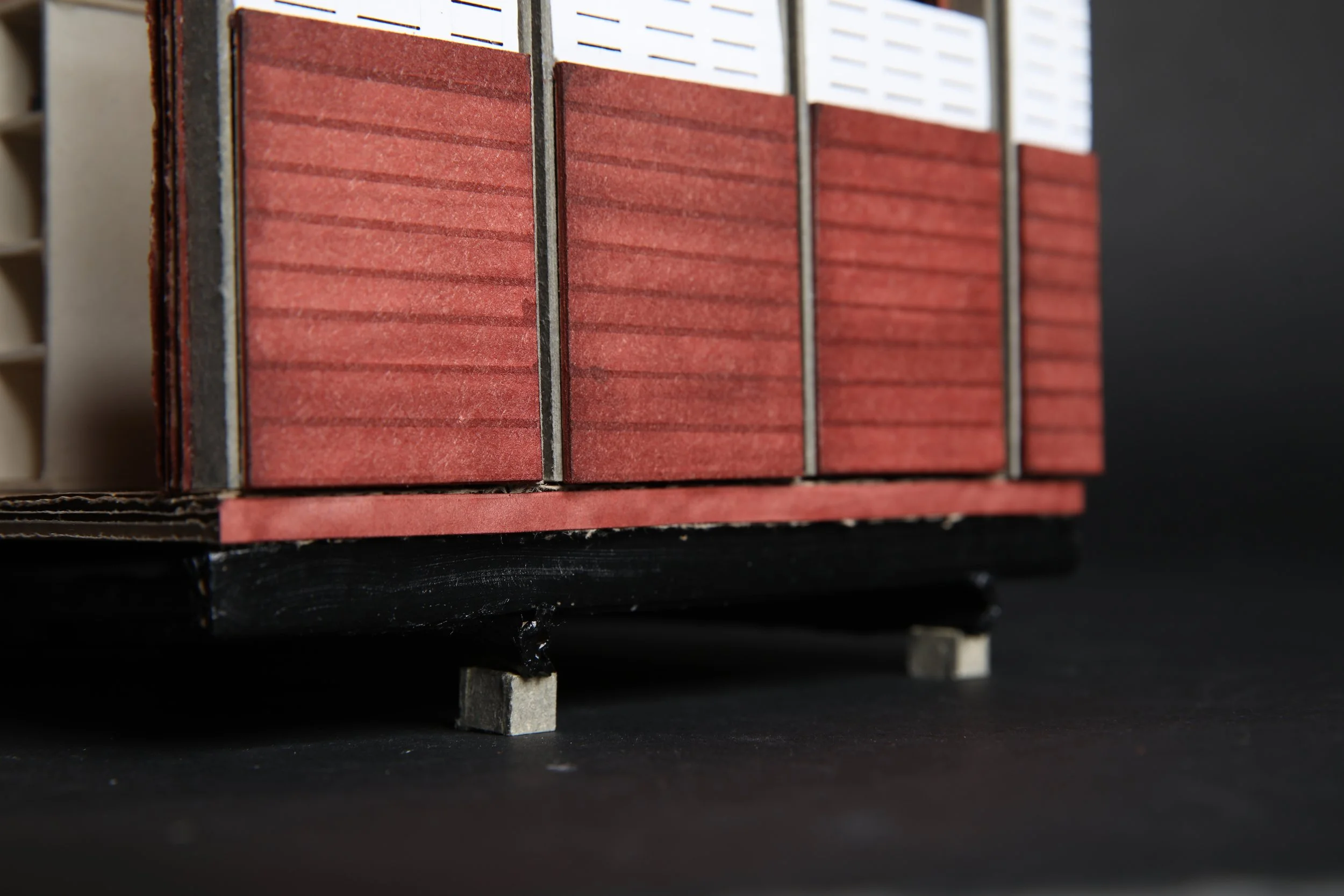
By studying the house’s structural grid, movable partitions, and modular components, the model highlights how flexible interiors are created within a rigid industrial framework. Walls, shutters, and storage elements are treated as adaptable systems rather than static boundaries, reinforcing the idea of space as something dynamic and reconfigurable.
From Research to Making
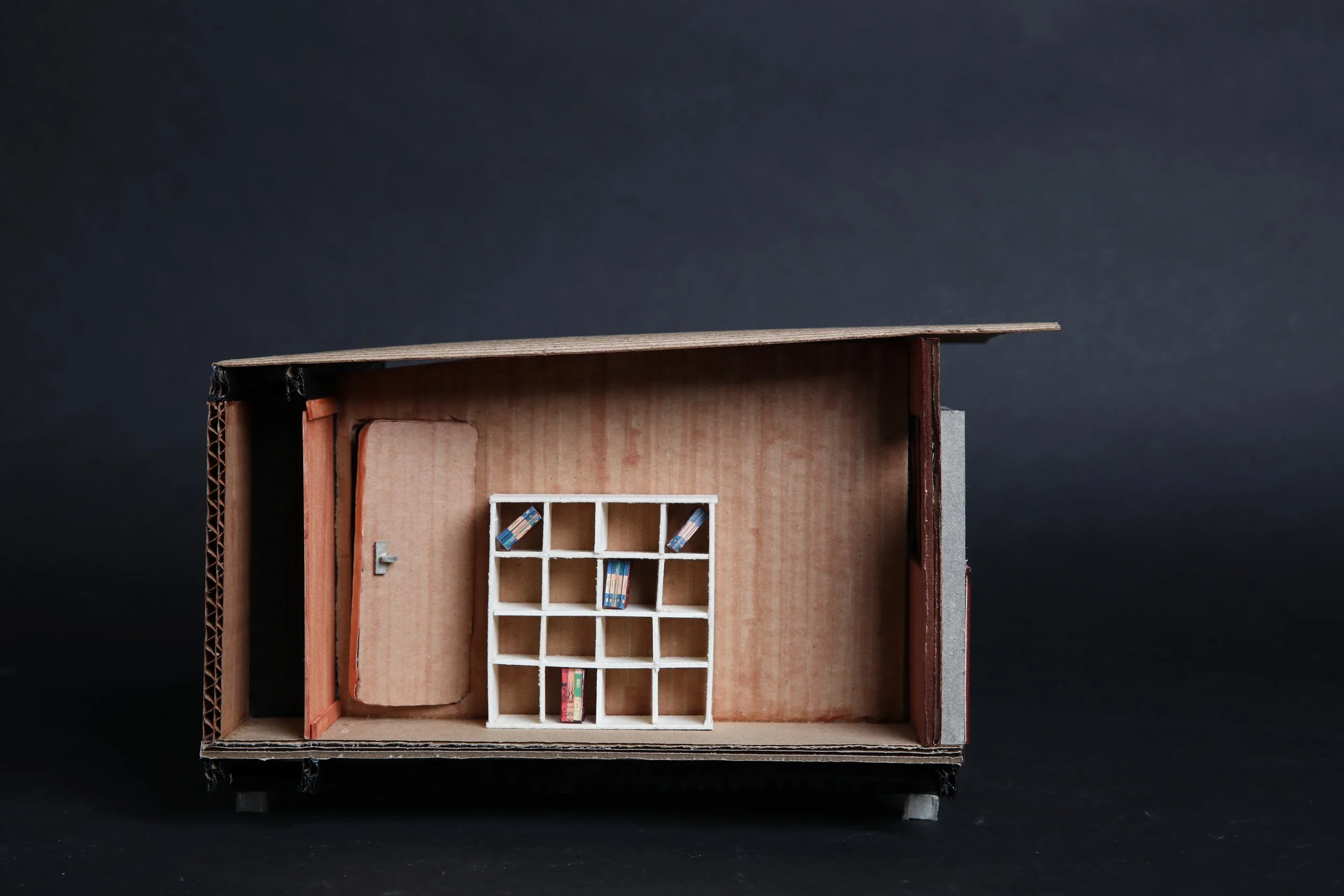
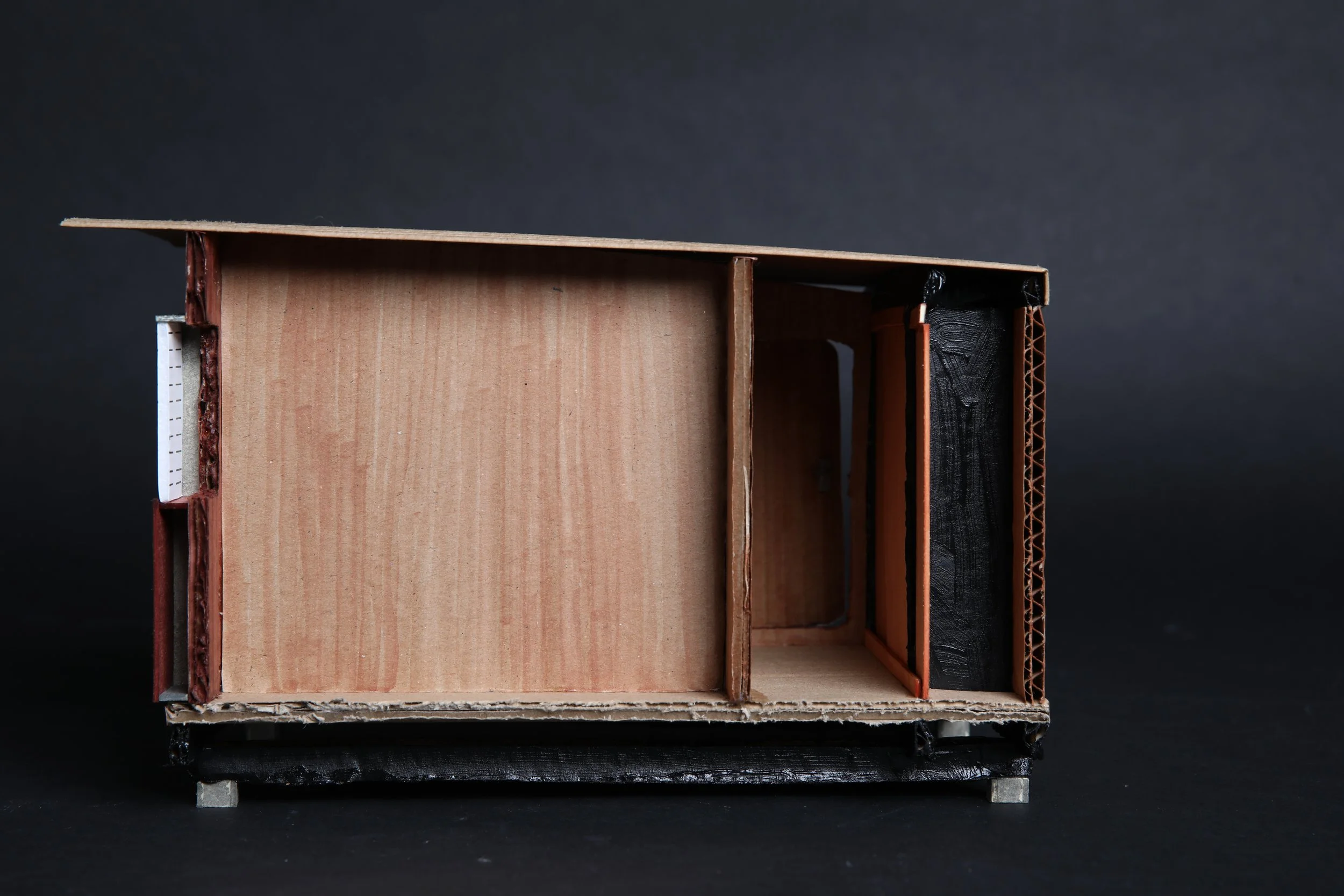
Hand drawings, technical sections, and material studies formed the foundation of the final model. The manual cutting and assembly process mirrors Prouvé’s hands-on mentality, emphasizing precision, construction logic, and the relationship between detail and overall form. The result is both an analytical tool and a physical interpretation of modernist thinking applied to interior design.
Section as Collective System
The house was divided into eight sectional modules, with each group responsible for designing and constructing one segment of the overall model. Working as part of a collective system required precise coordination, shared dimensions, and a deep understanding of how each section connects structurally and spatially to the whole. This approach emphasized the importance of sectional thinking in interior design, revealing how construction, circulation, and spatial relationships are articulated through the cut rather than the façade.